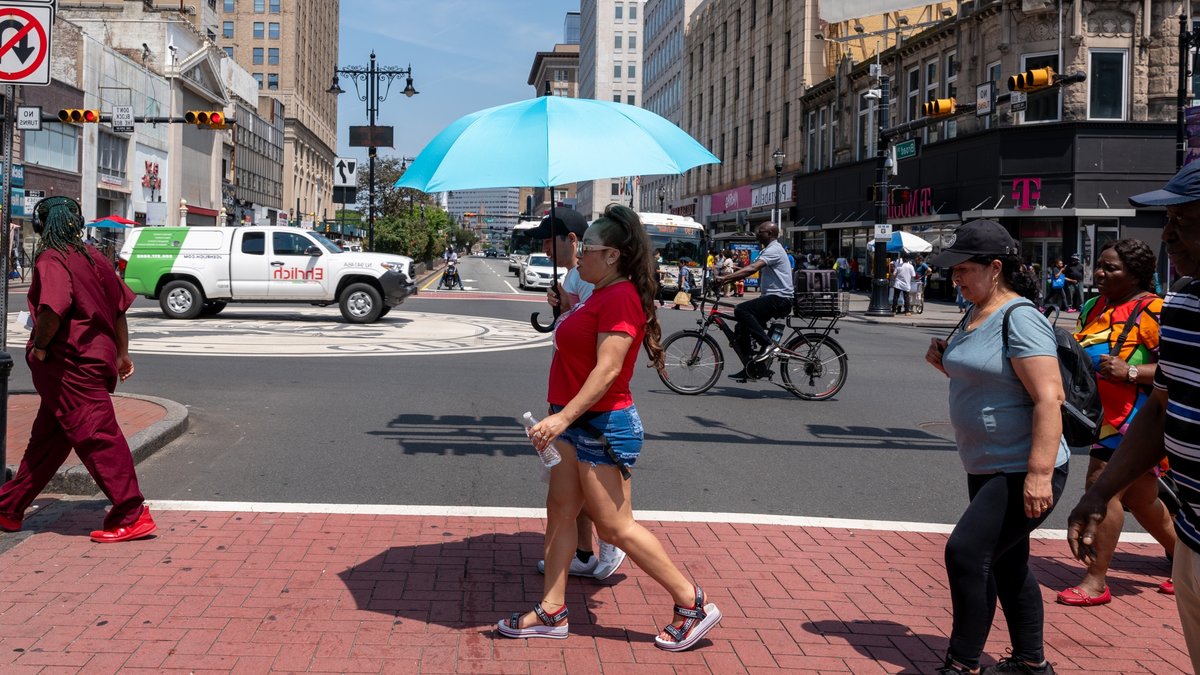
Newark Declares Code Red Heat Emergency as the Juneteenth heat wave pushes the heat index above 100 °F, prompting the city to open five cooling centers and activate shelters for the homeless.
City officials trigger the highest heat alert
Mayor Ras J. Baraka and Health Director Ketlen Baptiste Alsbrook announced a Code Red activation on June 19, effective from noon Thursday through 8 p.m. Friday. The forecast calls for a heat index of up to 102 °F, a level the municipality defines as severe enough to warrant the alert for two consecutive days.
What Code Red means on the ground
When the alert is in place, each of Newark’s five wards opens a designated cooling center. No identification or proof of residence is required, and the facilities are air‑conditioned at no cost.
Related: What are the important tips that you need to know about managing periods?
Outreach and additional relief options
Homeless Street Outreach Teams are dispatched to canvass neighborhoods, offering assistance and directing individuals to cooling centers or shelters.
Health risks highlighted by officials
The Newark Health Department warns that heat indices above 100 °F can trigger heat‑related illnesses, including heat stroke and serious medical complications. Sensitive groups—people with asthma, heart or lung disease, seniors, children, and teenagers—are advised to limit outdoor exposure.
Air quality is also expected to deteriorate, with stagnant conditions increasing pollution levels. The notice notes that “the extreme heat and stagnant air during a heat wave increases the amount of pollution in the air.”
Why Newark is especially vulnerable
Many low‑income residents lack affordable air‑conditioning options, and the demographic profile includes higher rates of asthma, cardiovascular disease, diabetes, and hypertension than state averages. These health factors amplify the risk of heat‑related emergencies.
Community response and recommendations
Guidance stresses staying hydrated, avoiding alcohol and caffeine, and limiting strenuous activity between 11 a.m. and 4 p.m. Residents are urged to check on elderly neighbors and to use the cooling centers if they cannot keep their homes cool.
For those who are unsheltered, emergency shelters provide overnight refuge, while drop‑in centers stay open during daylight hours for those who need a cool place but not an overnight stay.
Related: Should You See a Dermatologist If You Have Rashes?
Broader context of the heat wave
Heat alerts protect residents.
The Juneteenth heat wave is part of a larger pattern affecting roughly 80 million Americans, extending from the central Plains to New England. A heat wave of this magnitude strains municipal resources and highlights the need for coordinated public health responses.
As the municipality handles the current emergency, the layered approach—cooling centers, shelters, outreach, and public park guidance—aims to mitigate the health impacts of extreme heat for Newark’s most vulnerable residents.





Leave a Reply